
More than an X-ray
Strengthening Specialist Dental Training in Zambia
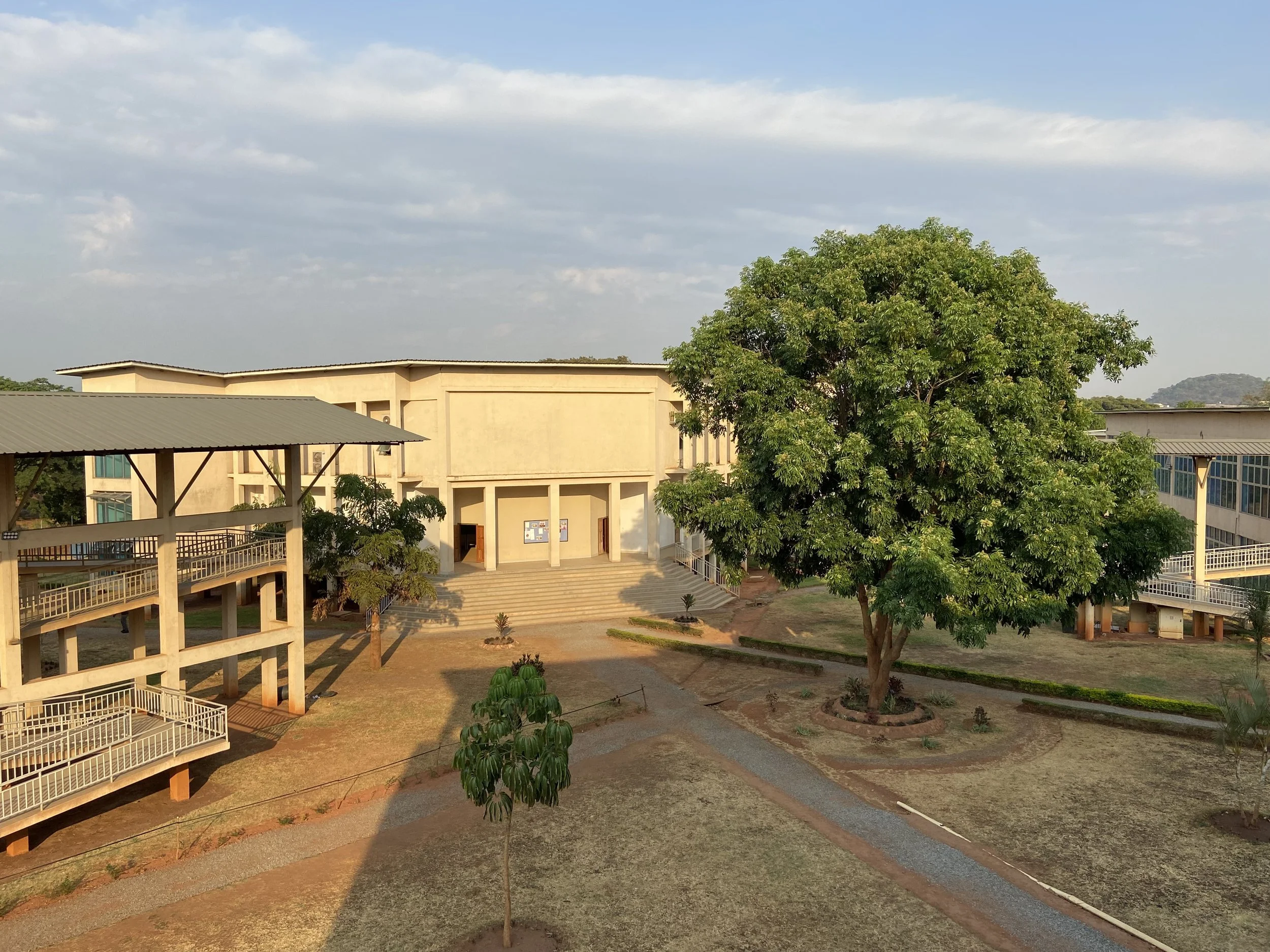
In 2025, Copperbelt University (CBU) in Ndola reached an important milestone for dental education in Zambia by launching the country’s first master’s program in Oral and Maxillofacial Surgery.
The four-year program welcomed eight dentists into its first cohort, creating a new pathway for dentists to develop specialist expertise in Zambia. Its launch represents an important investment in Zambia’s oral health workforce, particularly in a field where there is significant clinical demand for specialist services.
But training specialists requires more than creating a program.
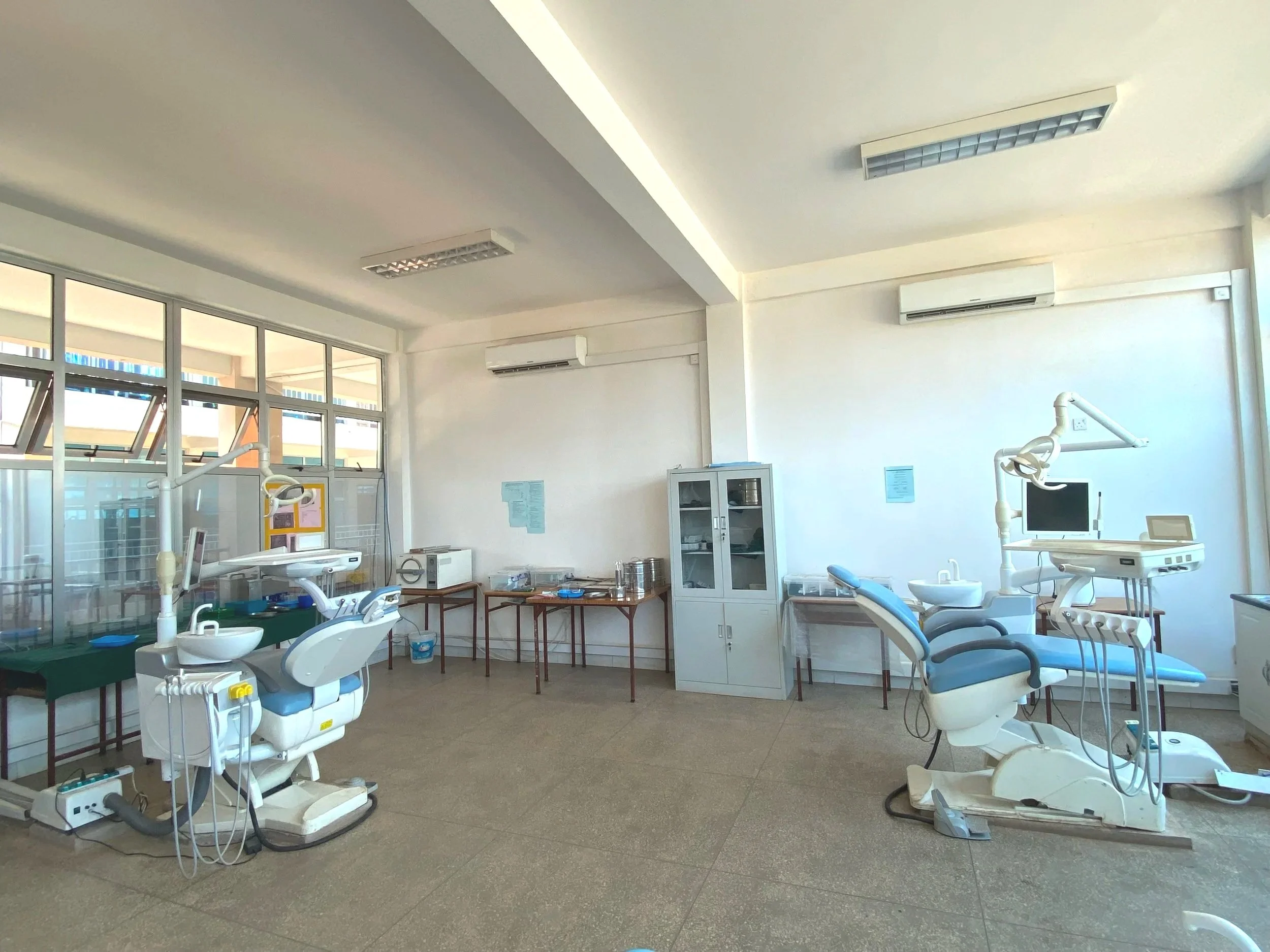
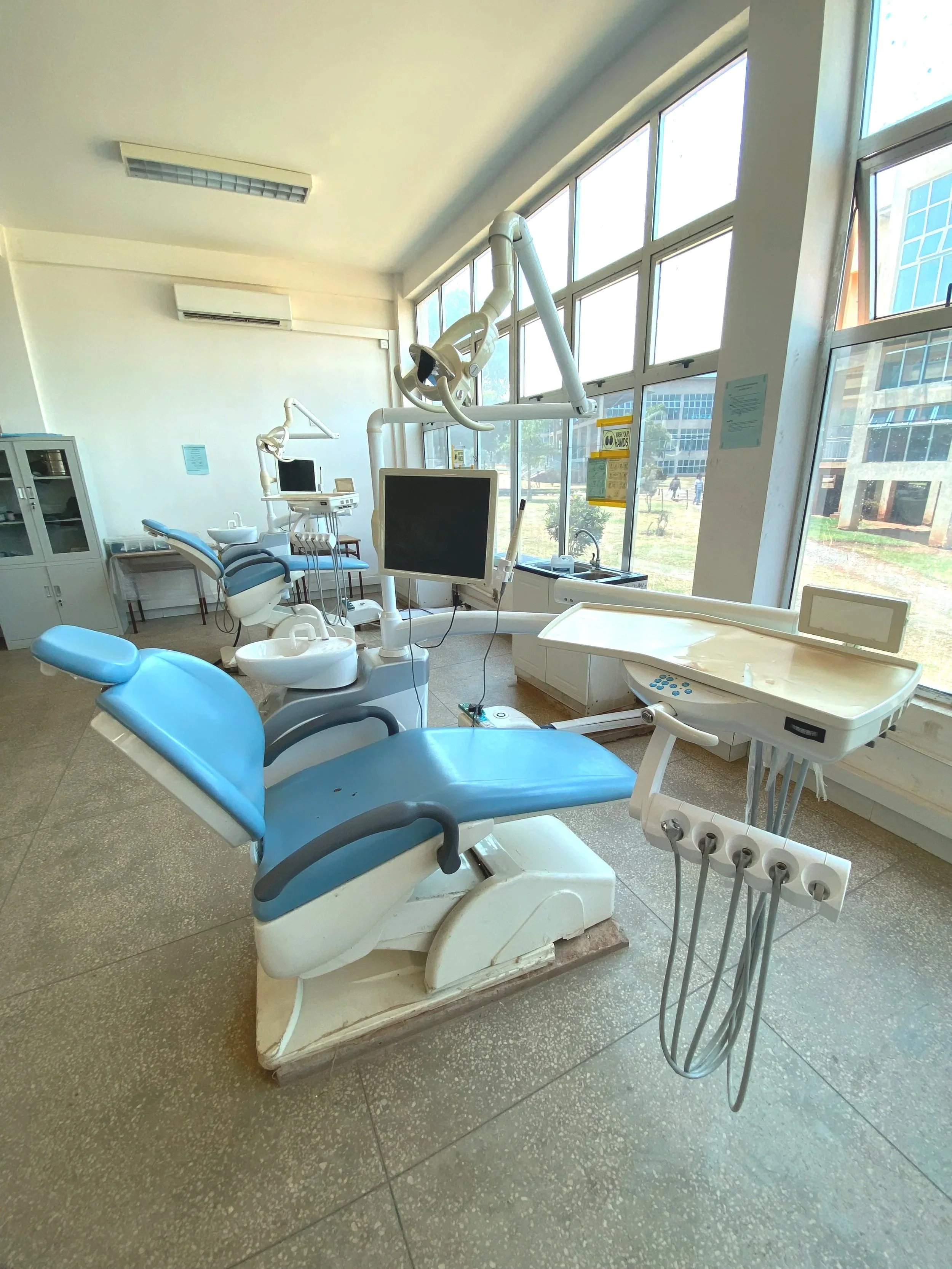
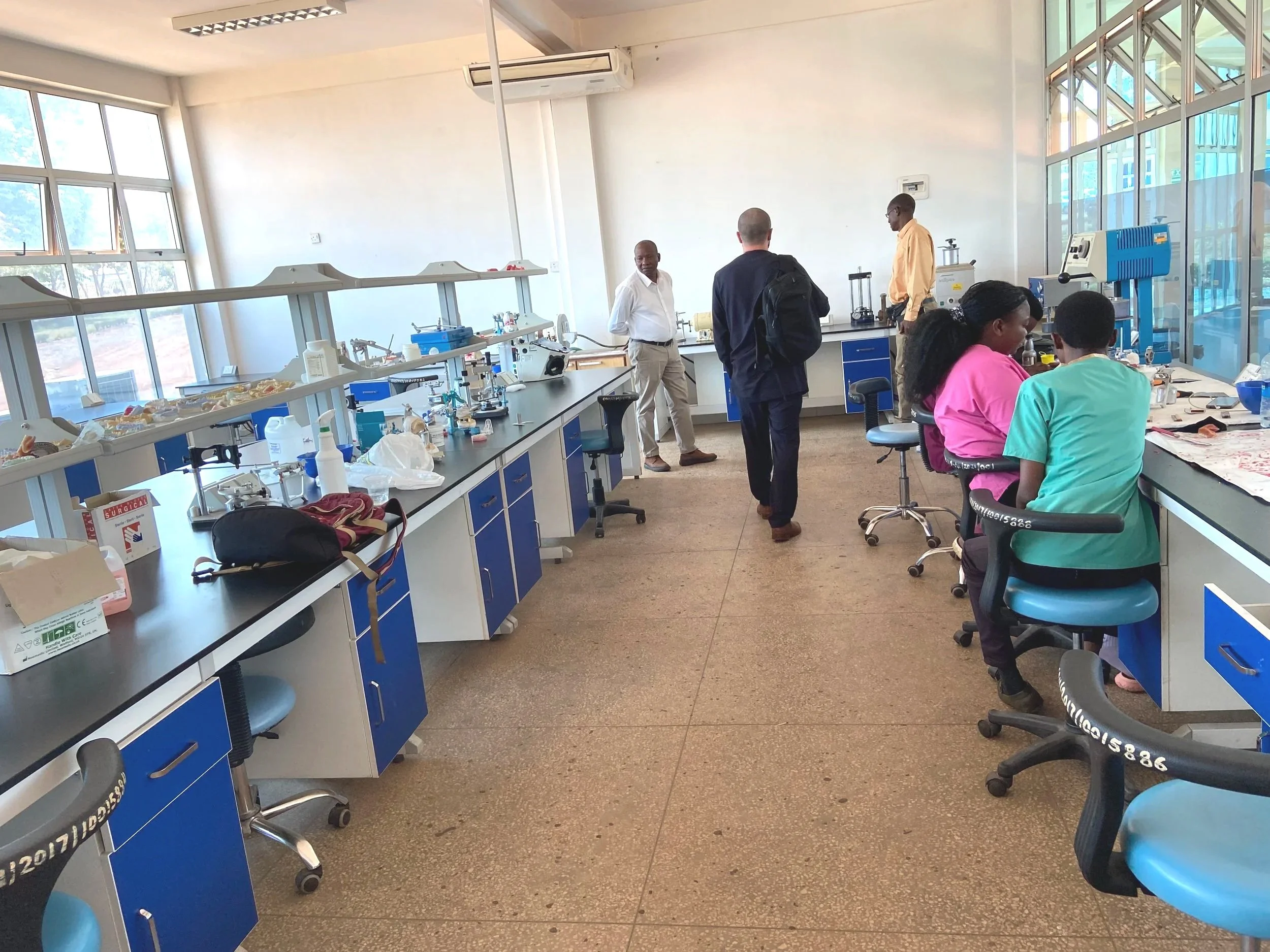
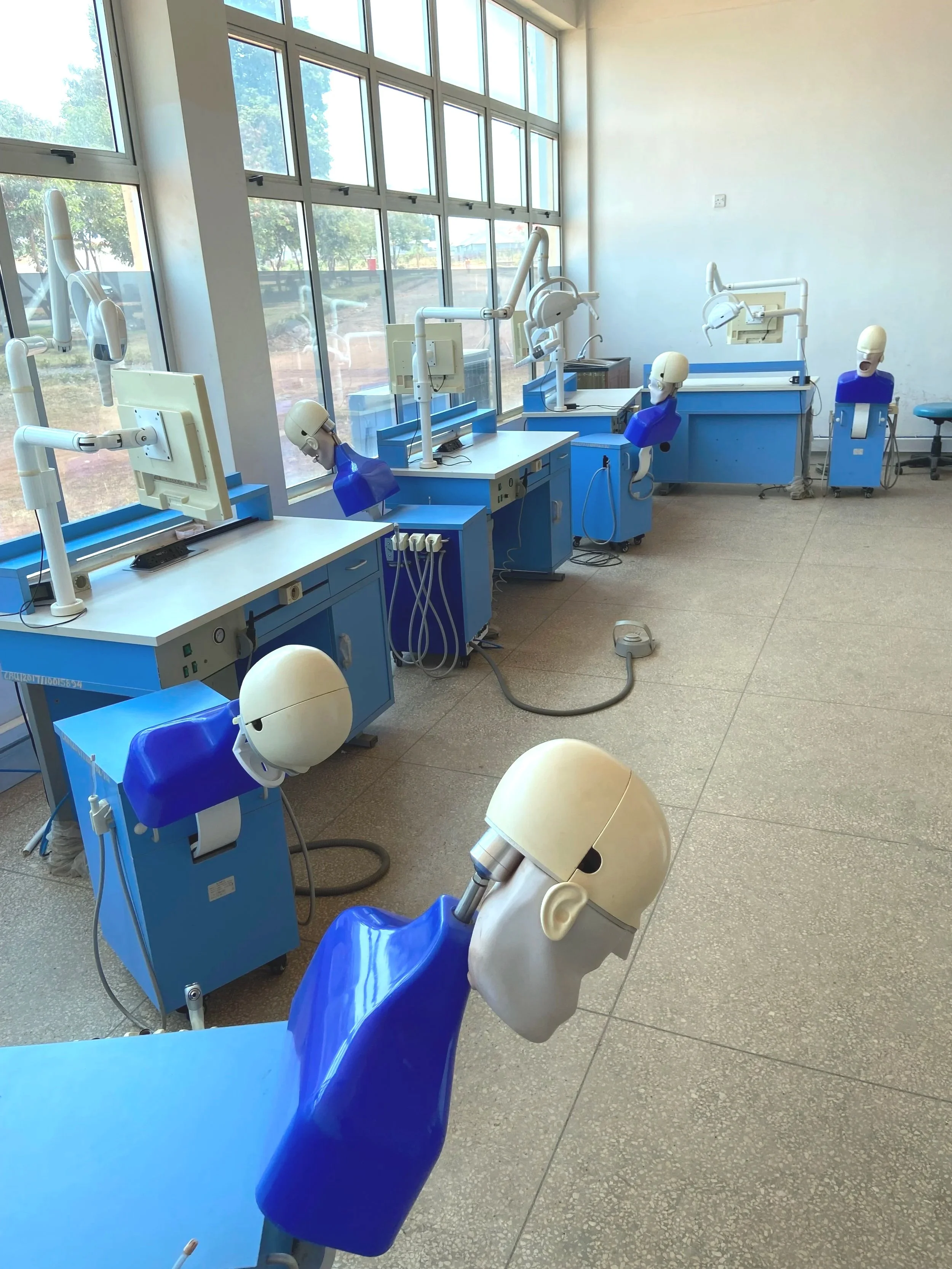
It also requires the equipment and clinical environment where dentists can develop the skills they need to care for patients.
A critical piece was missing
When the program began, CBU did not have access to dental x-ray.
Imaging is an important part of dental and surgical practice. It gives clinicians information they cannot obtain through clinical examination alone, helping them assess patients, make clinical decisions, and develop appropriate treatment plans.
For dentists training to become oral and maxillofacial surgeons, learning to use and interpret imaging as part of patient assessment and care is an important part of their specialist education.
Yet, the first cohort was training without access to this essential tool.
An X-ray machine looking for a new home
Thousands of miles away, Boston Children’s Hospital was renovating its dental clinics.
As part of the renovation, a functioning panoramic x-ray machine was being replaced. Rather than simply disposing of equipment that still had useful life, Boston Children’s contacted Build Health International (BHI) to look at the equipment being removed and identify anything that might be useful elsewhere.
One piece immediately stood out … the panoramic x-ray.
Equipment cannot simply be shipped from one country to another and assumed to work. Electrical requirements, installation, infrastructure, maintenance, and local need all matter. Fortunately, this unit was dual voltage, making it compatible with Zambia’s 220V electrical system.
And there was a specialist training program that needed it.
From Boston to Ndola
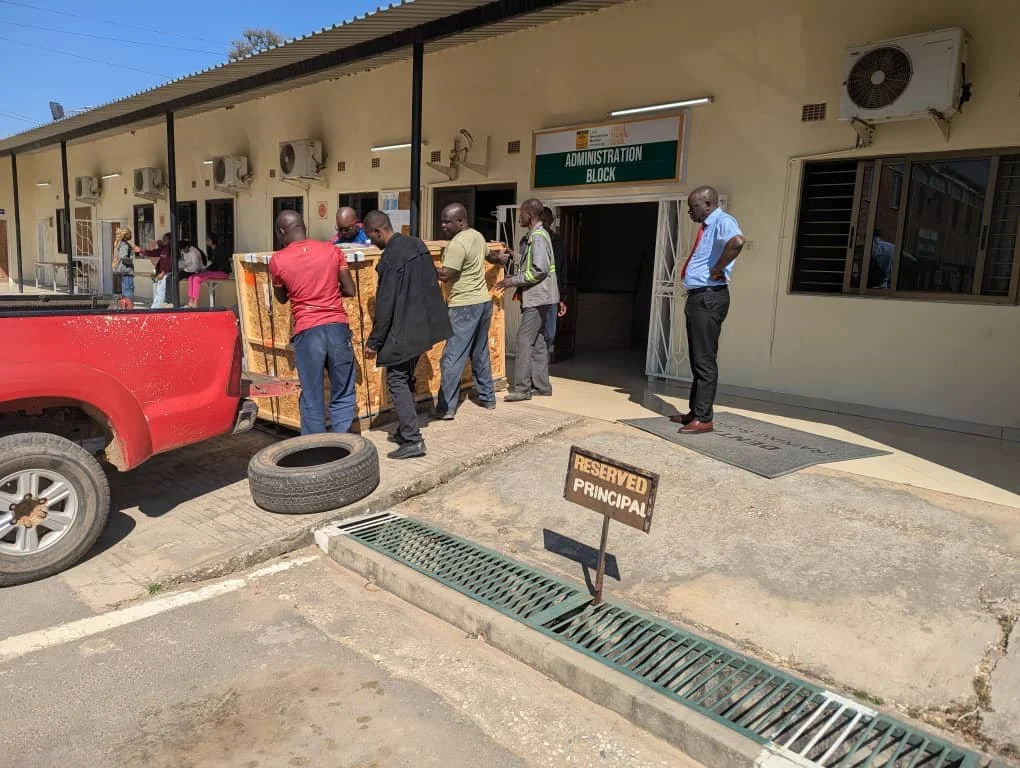
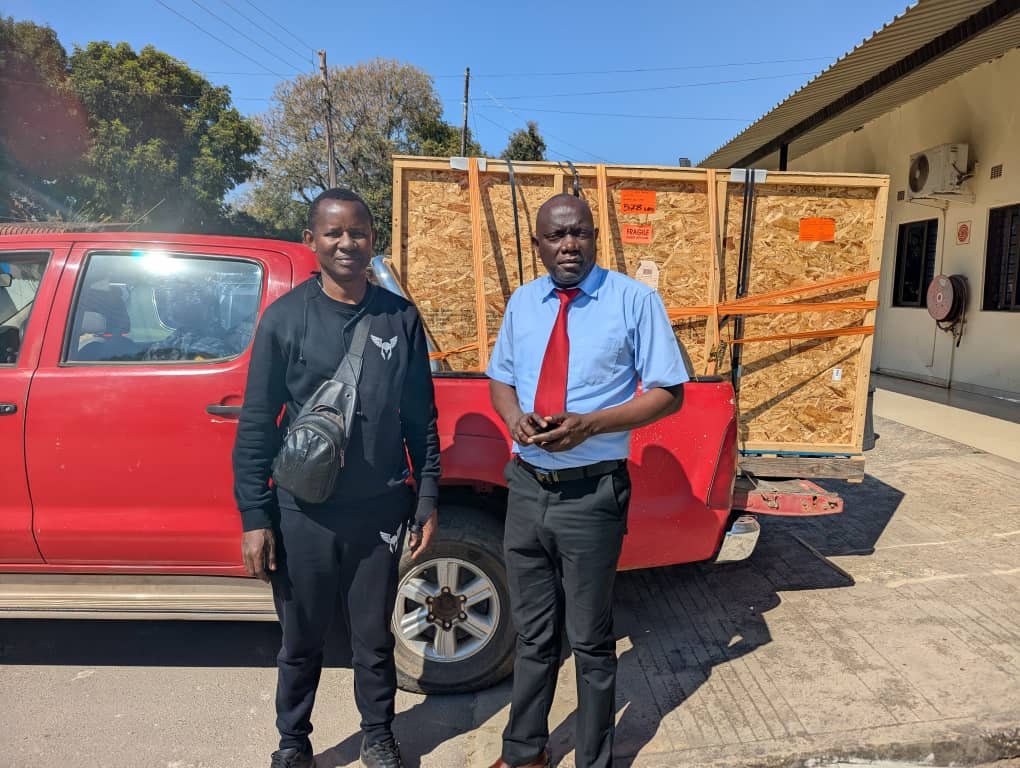
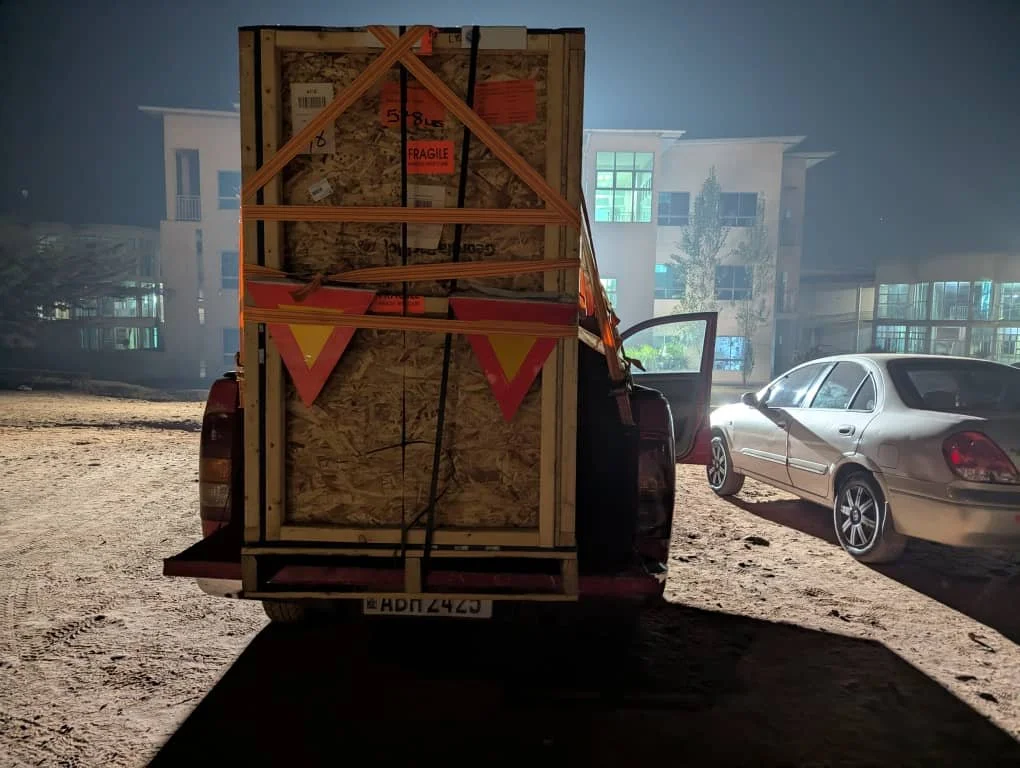
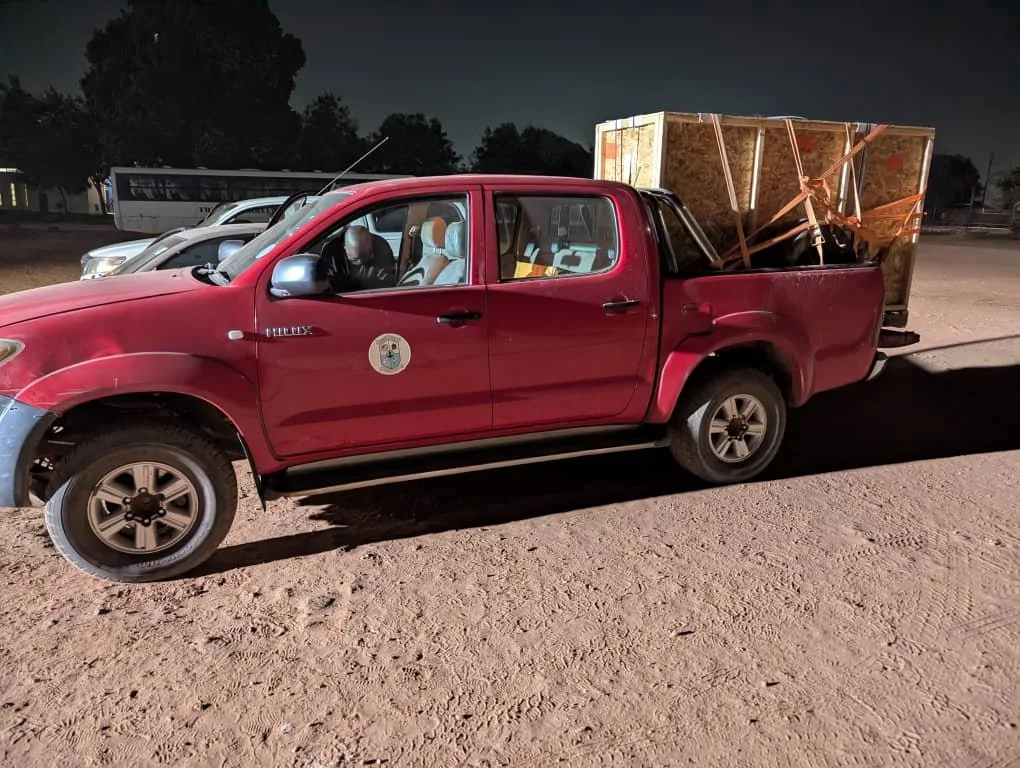
BHI facilitated the shipment of the x-ray to Zambia, where its journey continued 200 miles to CBU by road. A piece of functioning equipment being replaced in Boston had found a new purpose supporting the development of Zambia’s specialist dental workforce.
The significance goes far beyond one piece of equipment.
The x-ray can support the education of the eight dentists and the specialists who will follow them. Those dentists will carry their expertise into the care they provide throughout their careers.
That is the multiplier effect of investing in dental education.
Partnership makes more possible
This story also demonstrates what can happen when organizations bring different strengths together around an identified need.
CBU created Zambia’s first specialist program. Boston Children’s recognized that equipment it no longer needed still had value. BHI provided the expertise and logistics to move it across continents. Dental Capacity helped connect an available resource with an educational need.
Together, a functioning x-ray being replaced in Boston became a valuable resource for specialist dental education in Zambia.
And that is why strengthening dental education requires looking at the whole picture. Training programs need educators, clinical experience, equipment, infrastructure, and strong institutional partnerships.
When those pieces come together, institutions are better equipped to train the oral health workforce their countries need.
And ultimately, expand access to quality oral healthcare.